The Softness of Linen
Textiles bring warmth and tactility to the kitchen. Natural fibers in neutral tones—linen, cotton, wool—soften hard surfaces and add human comfort to functional space.
Material Matters
We advocate for natural fibers exclusively. Linen tea towels dry dishes better than synthetic alternatives and improve with age. Cotton aprons feel better against skin and breathe naturally.
Color palette remains neutral—undyed flax, warm greys, soft oatmeal tones. These shades work with any kitchen while aging gracefully through years of use and washing.
Essential Textiles
Linen Tea Towels
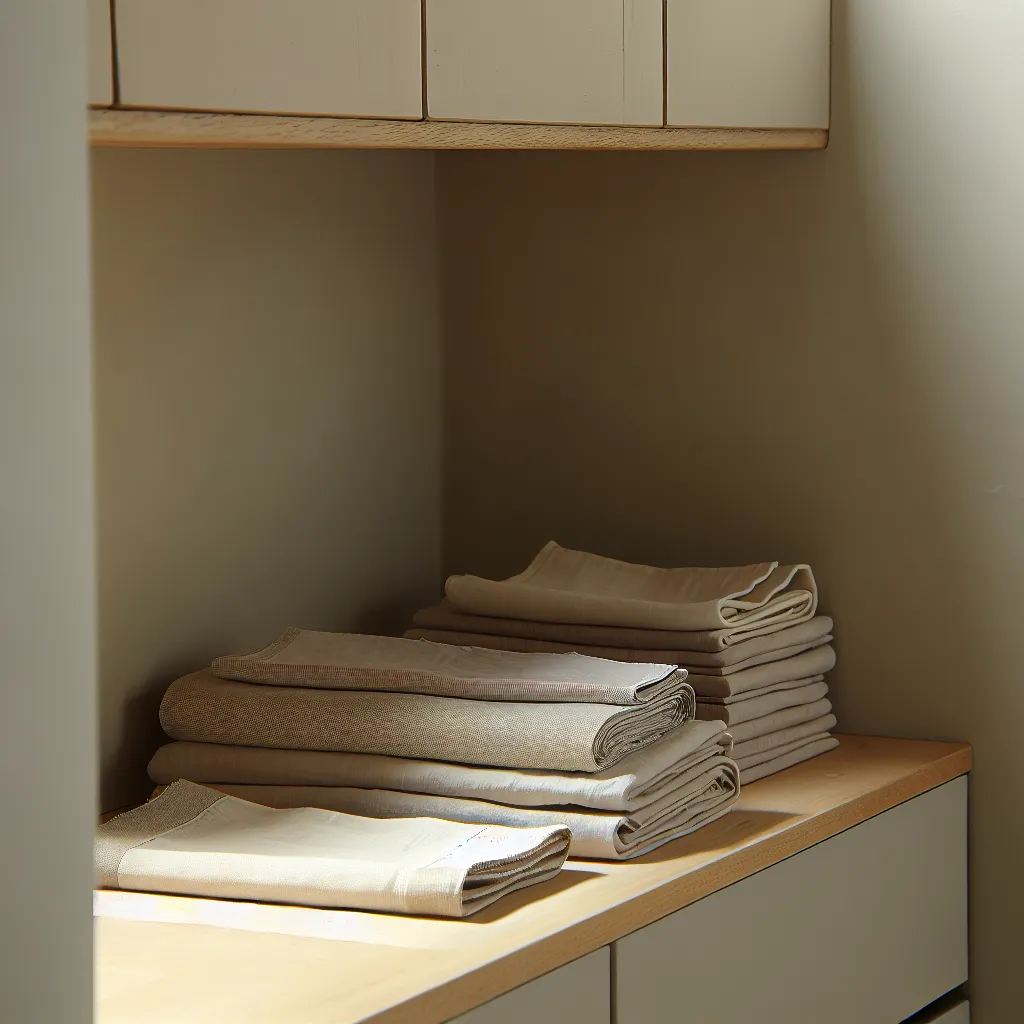
Pure linen, minimum four. For dishes, produce, general kitchen tasks. Improve with each wash, lasting decades. Choose undyed natural flax or soft grey.
Cotton Aprons
Cross-back style, heavy weight cotton or linen blend. Comfortable for extended cooking sessions. Natural or charcoal tones. Practical luxury.
Table Linens
Linen placemats and napkins for everyday use. Simple hemming, natural wrinkles welcomed. Machine washable. Beauty in everyday meals.
Pot Holders
Quilted cotton, thick enough for protection. Coordinated with overall palette. Function first, but beauty matters in items used daily.
Window Textiles
If needed, linen or lightweight cotton. Sheer enough to maintain light, opaque enough for evening privacy. Minimal hardware.
Cleaning Cloths
Dedicated linen or cotton cloths for different tasks. Separate sets for dishes, surfaces, glass. Replace paper towels entirely.
Care & Longevity
Washing & Storage
Linen wants hot water and line drying when possible. Machine washing is fine—these are working textiles, not precious objects. Natural wrinkles are part of the aesthetic.
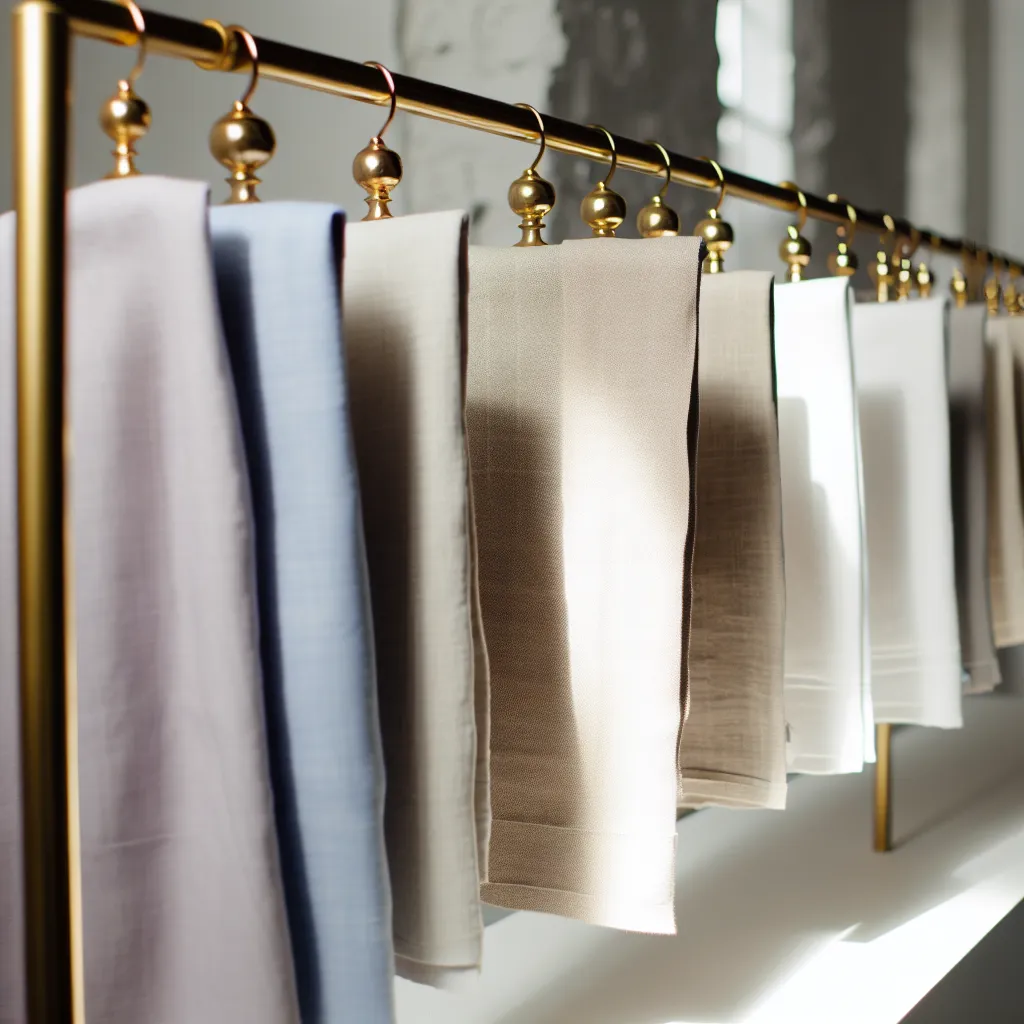
Store folded on open shelves or hung on hooks. Avoid stuffing into drawers—proper storage maintains shape and makes grabbing what you need effortless.